Hello everyone. Today is December 31, 2022. On the last day of the year, I am writing a year-end review in the form of a reading list, which is also a record of my thoughts and reflections over the past year.
Because I read quite widely, I have grouped the books into categories: positioning, underlying logic, entrepreneurship, running a company, open source, product, engineering and technology, growth and community, speaking and writing, and personal growth.
Positioning
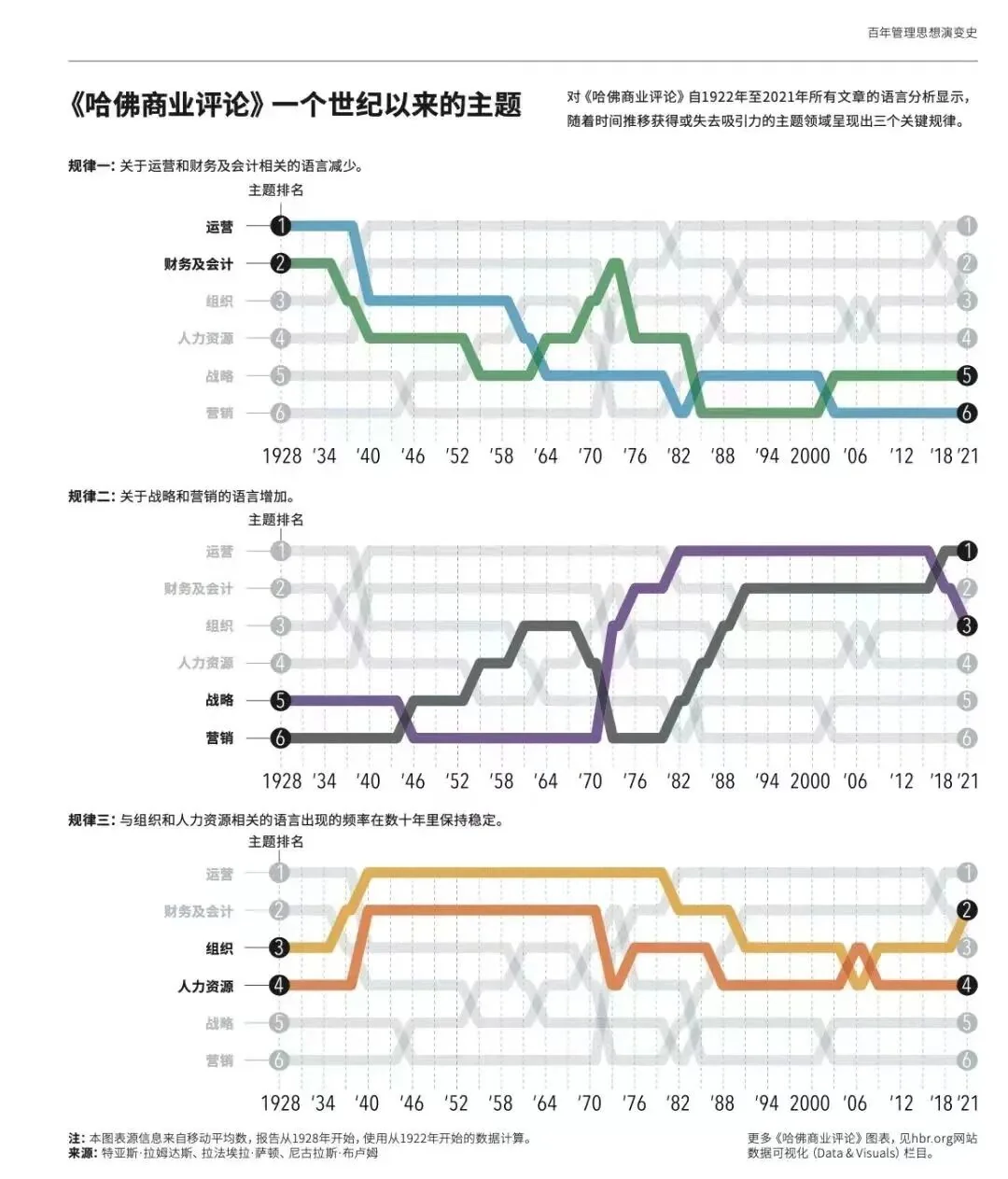
Positioning has been a major focus of my study in recent years, because I have come to realize ever more deeply that every successful business in the world starts with precise and leading positioning. A study of the themes in Harvard Business Review over a century shows that the language of strategy and marketing occupies an ever larger share. According to positioning theory, every field in the world is becoming more and more differentiated, and to stand out in a differentiated world you must have a position that distinguishes you from your competitors, so you get twice the result with half the effort.
I have read almost all of the classic works by Jack Trout and Al Ries. Here I especially recommend three classic and practical books:
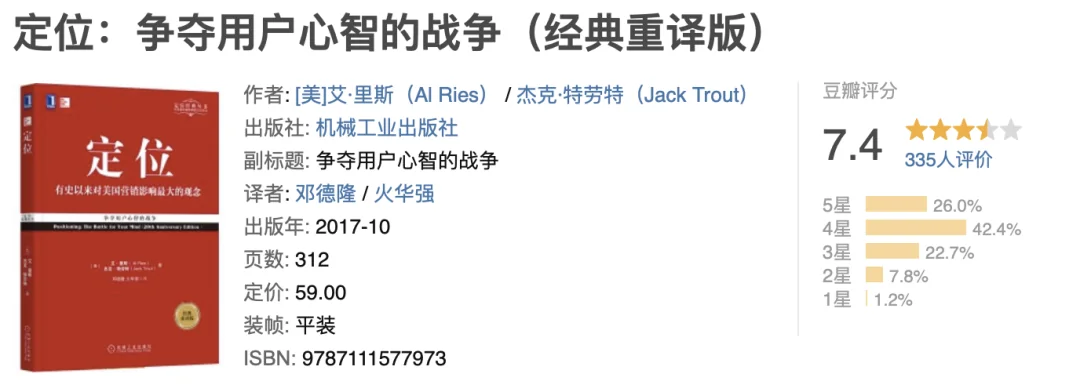
Coca-Cola, Starbucks, Wanglaoji, HEYTEA, Genki Forest: these familiar names are all classic cases of positioning. Good positioning keeps leading companies invincible and helps startups stand out in complex competition. Positioning is a must-read for every entrepreneur and business leader.
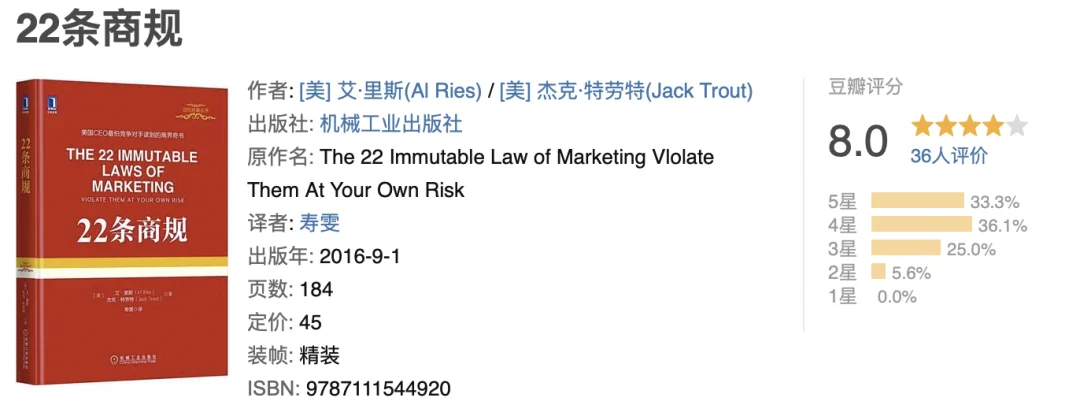
The 22 Immutable Laws of Marketing develops the principles of positioning theory; reading it gives you a deeper understanding of the core ideas of Positioning.
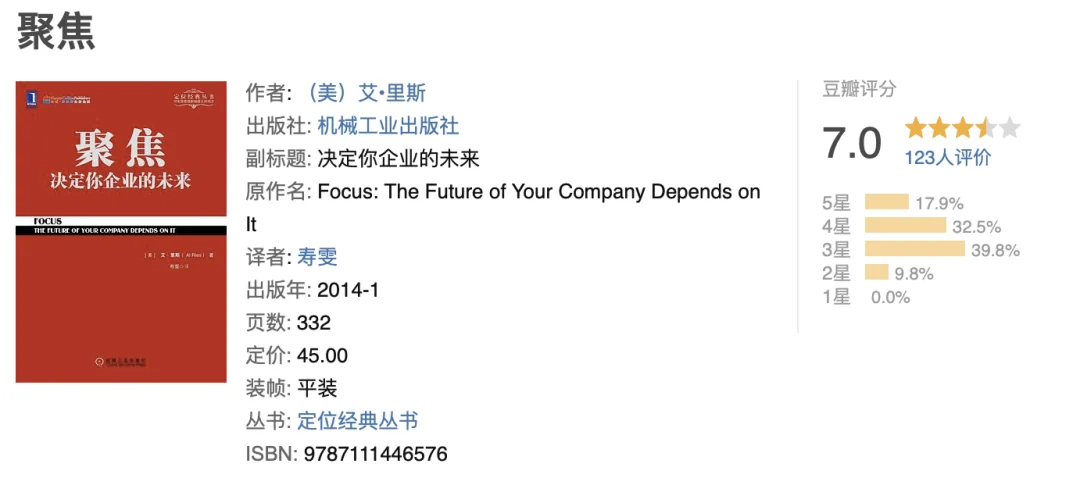
A must-read for entrepreneurs and business leaders. Managers and companies that do not understand focus are bound to fail.
Underlying logic
Excellent entrepreneurs know clearly that to survive and succeed in a complex business world, they must first see the big trends of the world and understand the “underlying logic” of how it works. Successful ventures often ride the big trends of the world’s development and grasp the real laws by which things operate.
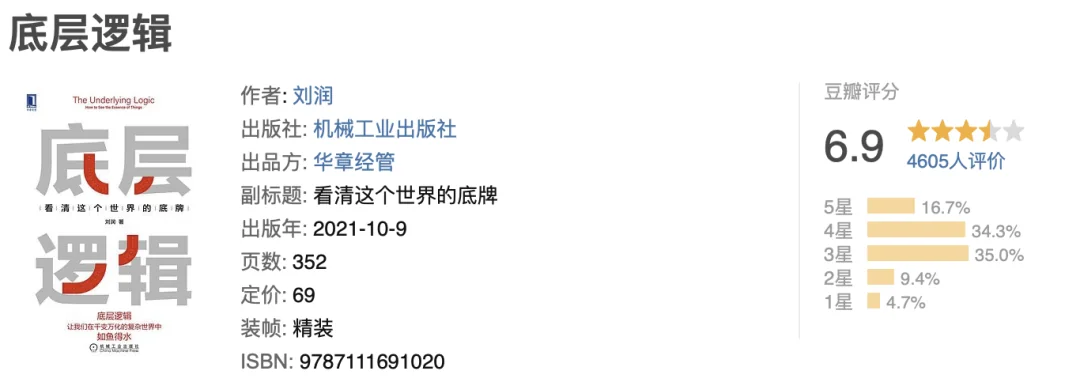
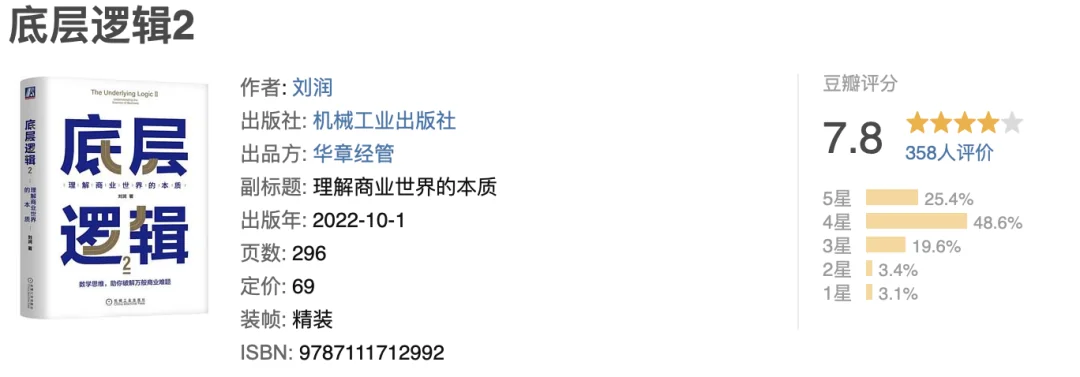
Liu Run was a well-known blogger in China’s blogging era and is now a top name in Chinese business consulting. His two Underlying Logic books summarize his deep thinking about the world.

I was fortunate to attend Lan Xiaohuan’s lecture in person at a TGO Kunpeng Club event. Inside the System is the underlying logic of China’s political economy. A must-read for Chinese entrepreneurs.
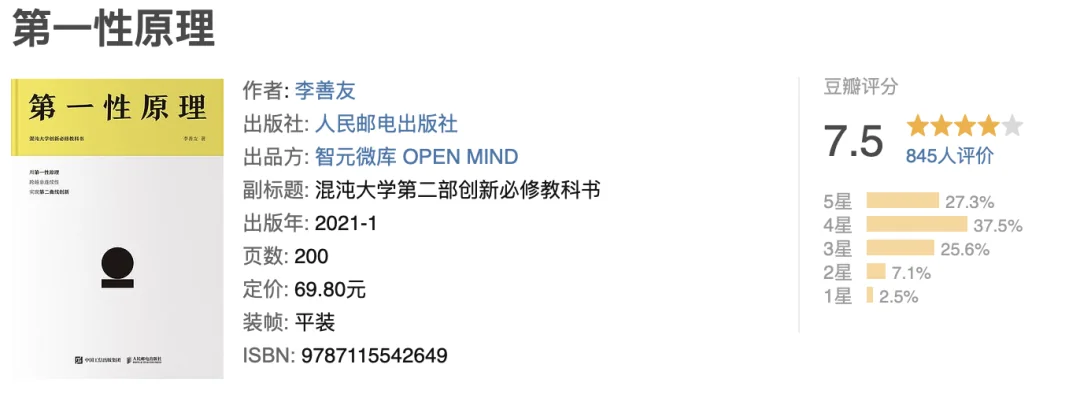
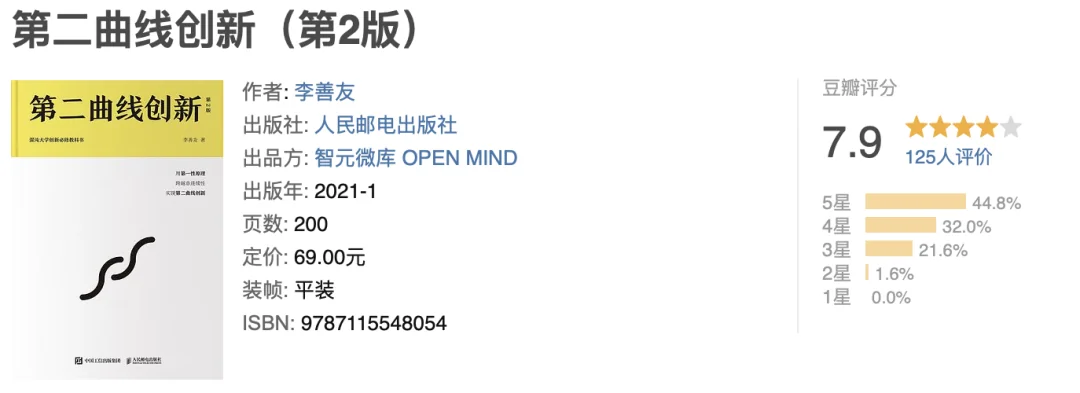
I greatly admire Li Shanyou, who went from being a successful entrepreneur and business leader to devoting himself to Hundun University. He focuses on supporting entrepreneurship and innovation in China and on cultivating innovative thinking in business talent. These two books (textbooks) summarize his thinking on innovation in Chinese business.
Entrepreneurship
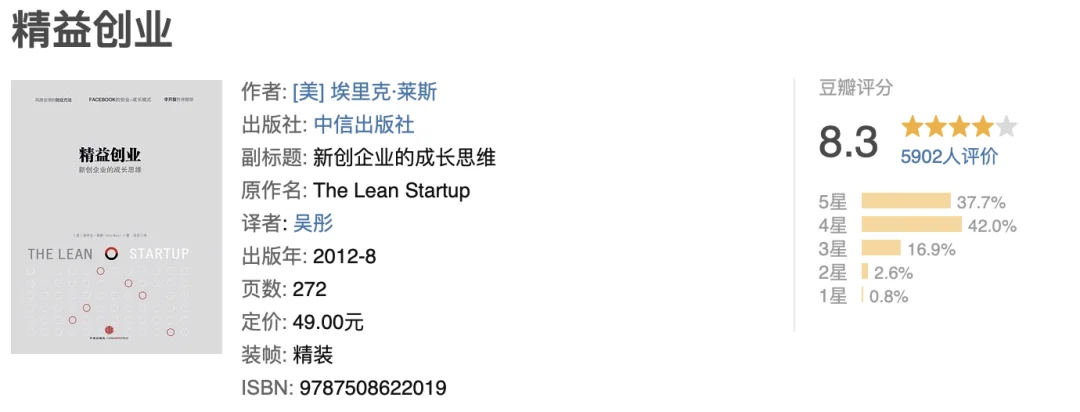
A classic among classics. Whether you are starting a company or building a new product line inside a company, The Lean Startup is a book you can pick up for inspiration at any time.
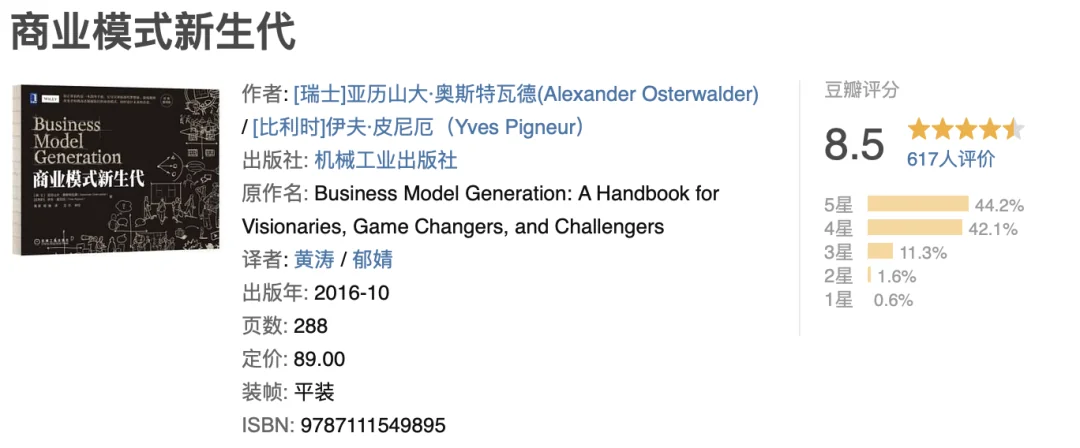
It introduces the Business Model Canvas in a clear, accessible way and is very practical. A business model analysis tool no entrepreneur should miss.
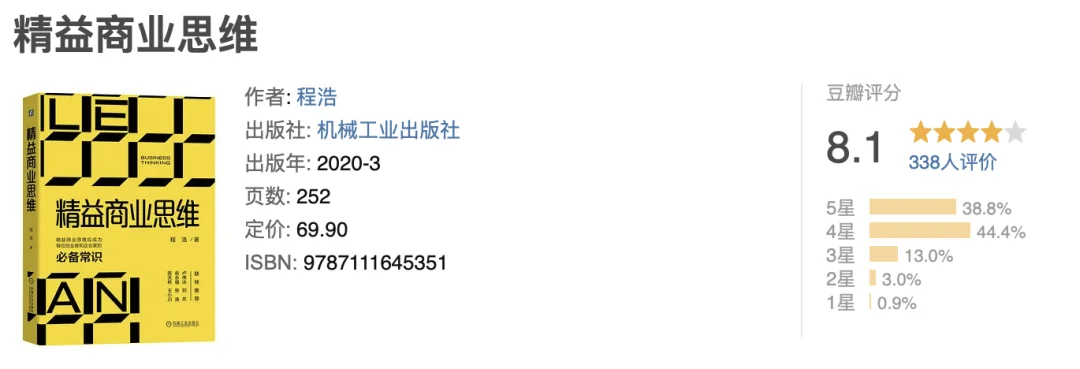
A book by Cheng Hao, the founder of Xunlei. In plain language, it introduces a great deal of basic knowledge every entrepreneur needs, along with common pitfalls in starting a company. A must-read for local entrepreneurs.
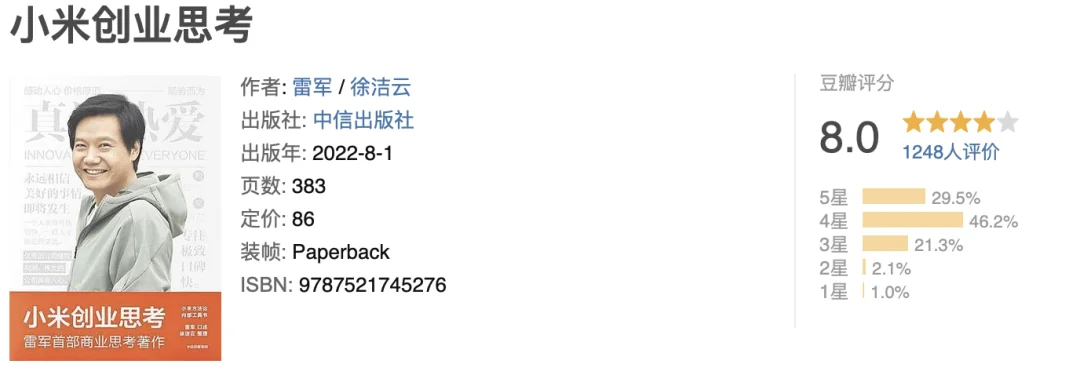
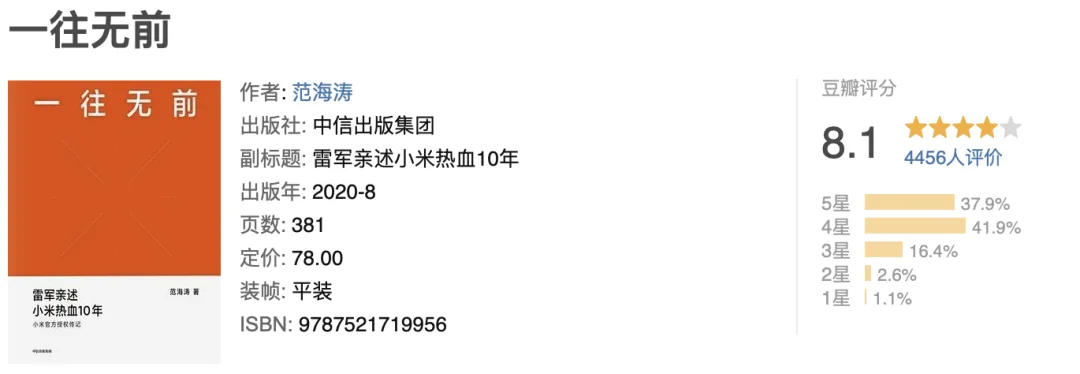
Xiaomi’s Entrepreneurial Thinking is Lei Jun’s new book this year. Once again I ordered it right after the launch event, and when it arrived I read it in one sitting. It is the best summary of Xiaomi’s business thinking. It reads even better alongside Forward Without Fear, the biography-style book Fan Haitao wrote last year.
Running a company
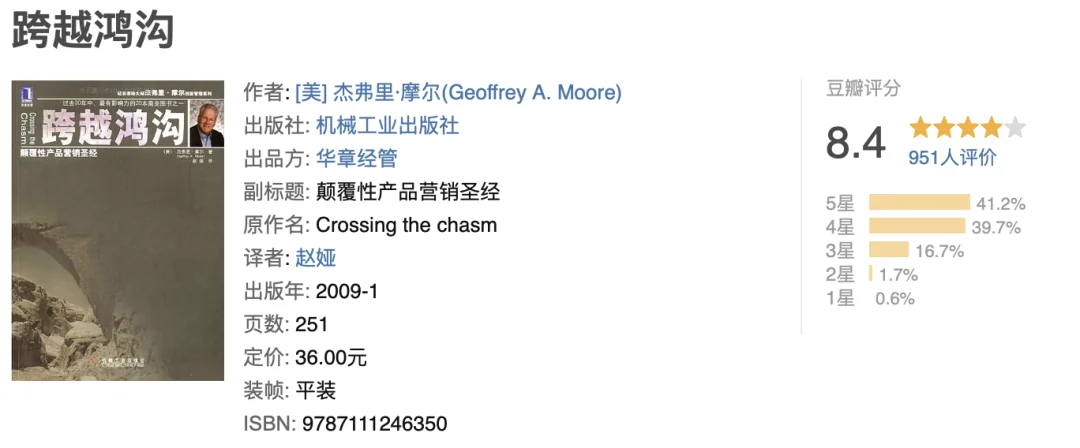
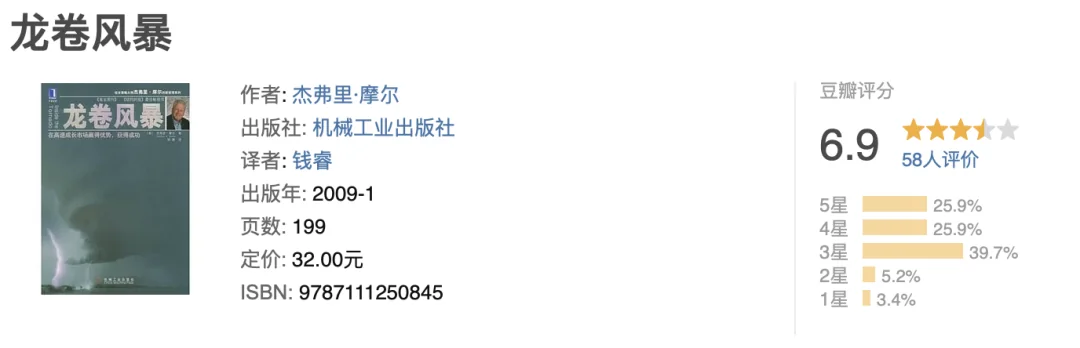
For the day-to-day running of a company, I regularly keep the classics at hand: from Taylor to Drucker, from Grove to Christensen, every time I pick them up I learn something. This year, though, I was completely blown away by the old classic Crossing the Chasm, so I went on to read Geoffrey Moore’s whole series in one go.
Crossing the Chasm is a must-read for every business leader, especially entrepreneurs. After your company has gone through the startup phase and won its first users, its development and growth often hit a bottleneck of some kind. Most first-time founders do not realize what the first chasm they face actually is. This book not only explains the “chasm” problem but also clearly offers theoretical and practical solutions. I will write a separate article about Crossing the Chasm later.

Open source
Having entered the open-source industry this year, I naturally had to read books related to open source, starting with the three introductory classics:
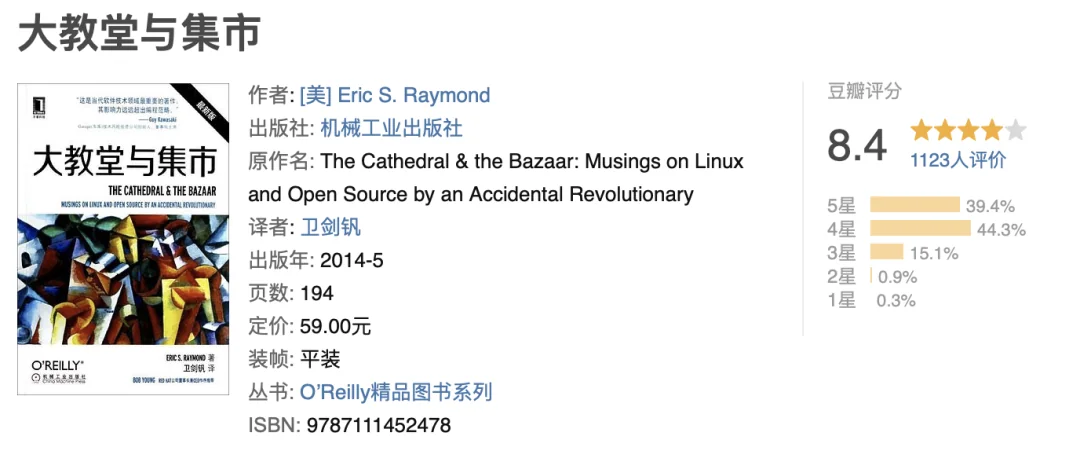
The bible and declaration of independence of the open-source movement, telling the history of the movement from zero to one.
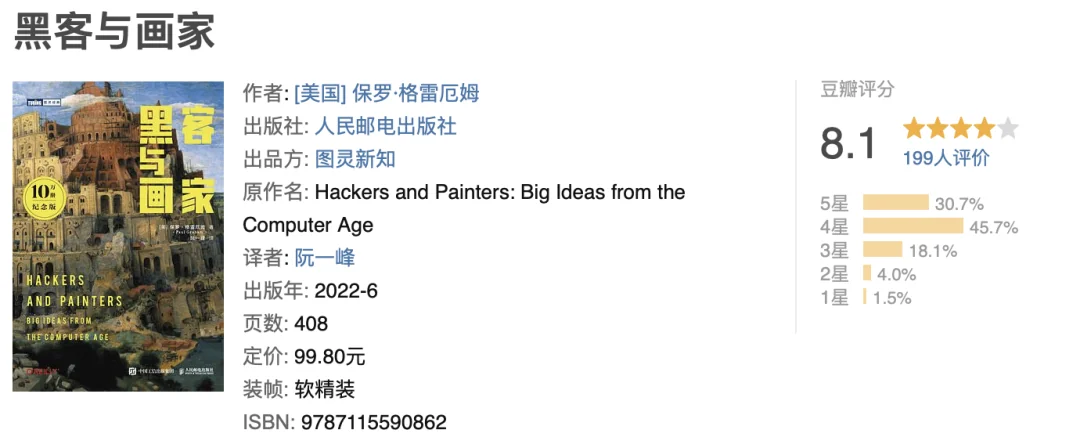
Paul Graham, the godfather of Silicon Valley startups and founder of Y Combinator. Although this is not a book about open source, the open-source founders around me all recommend it. I have noticed that every friend who deeply admires this book is an entrepreneur with the entrepreneurial spirit in their bones. So this is also a book for entrepreneurs.
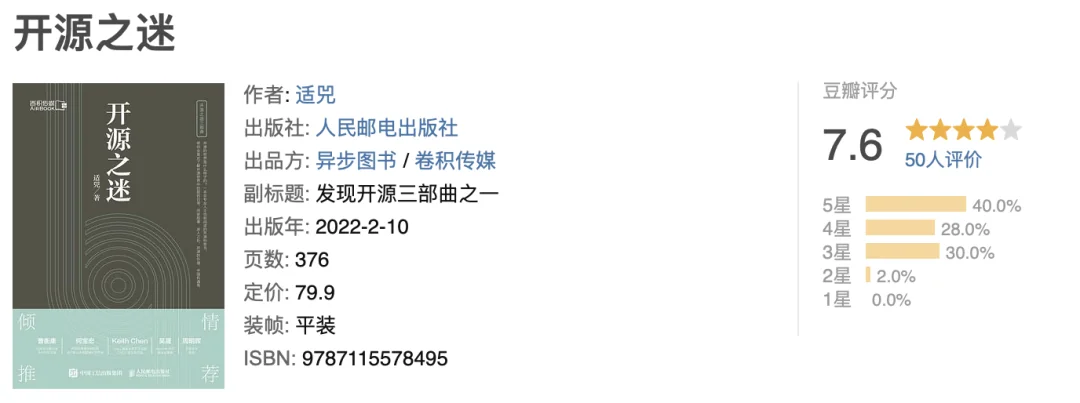
A must-read for everyone working in open source, covering the history and the world of open source. When I have time, I should also ask the author, Shi Si, to sign my copy.
Product

As my reading has broadened, I have read fewer O’Reilly books in recent years. This is a non-technical book published by O’Reilly. Perhaps because of the translation, or perhaps because of cultural differences between the Chinese and American internet industries, it may be better suited to more senior product managers. Also, the better you understand “agile” methodology, the more you will appreciate the magic of this book.
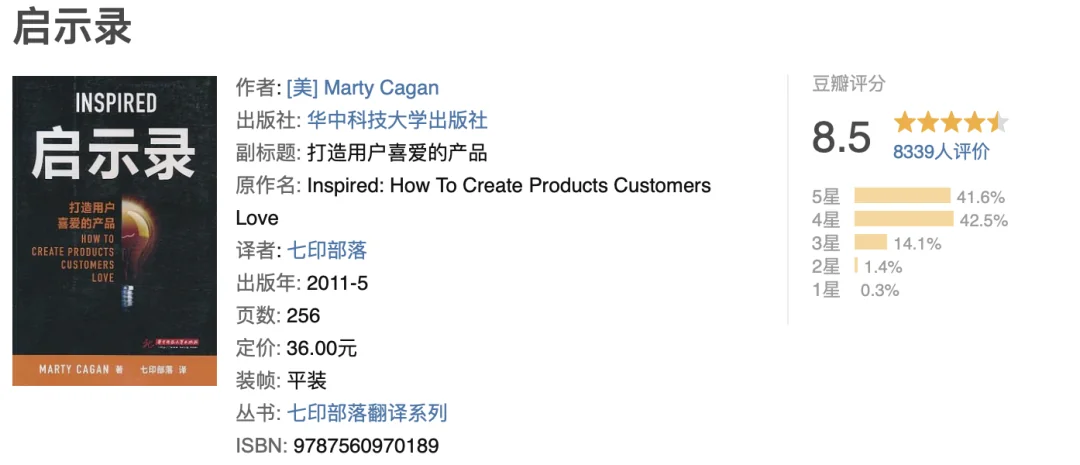
Another old classic, showing the real and concrete working skills of the product manager role. For everyone who wants to become a product manager or understand the role, this book should be a must-read on your shelf.
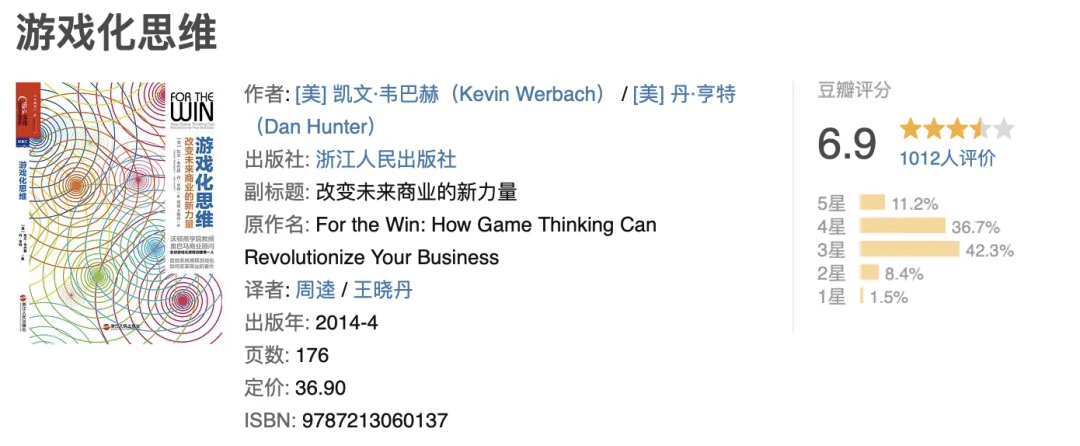
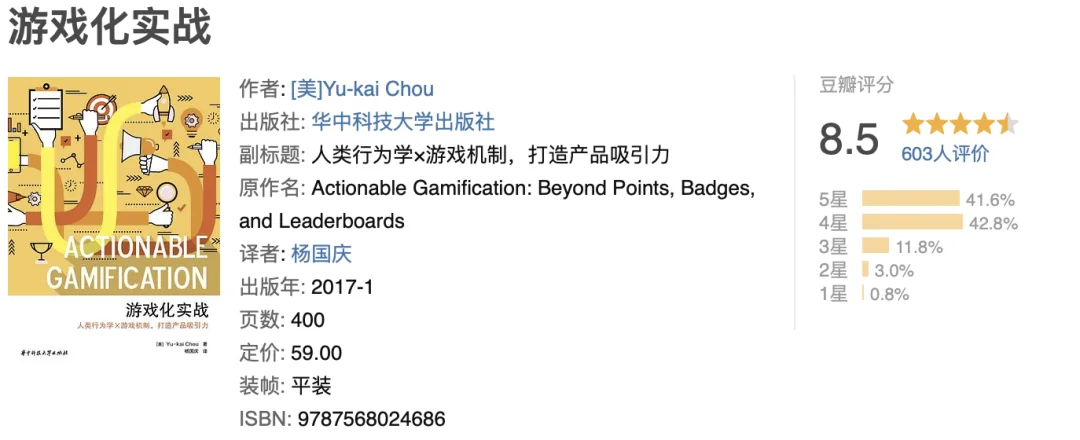
Two books about gamification. One is more theoretical and its translation is fairly poor; the other is more practical, easier to read, and more useful. Gamification thinking can be applied not only to product design but also to everyday work management and self-management. Give it a try.
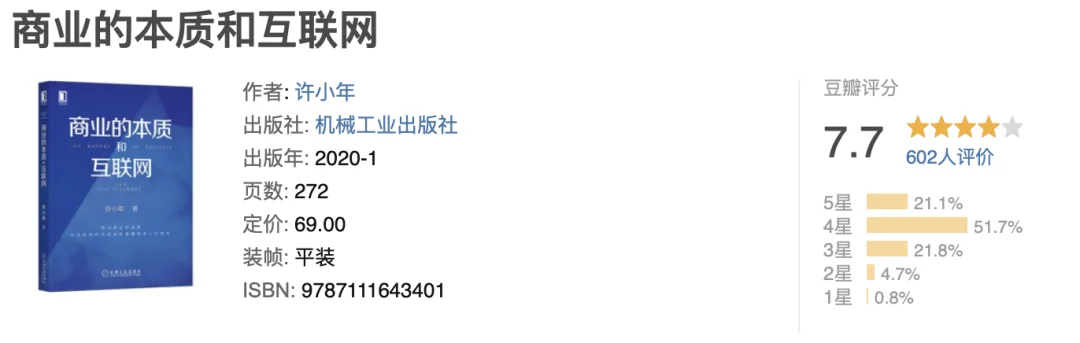
Xu Xiaonian starts from the basic laws of economics to explore the essence of internet business. Very useful for readers who like to study underlying logic. Many of the basic laws it mentions are concepts internet professionals use all the time.
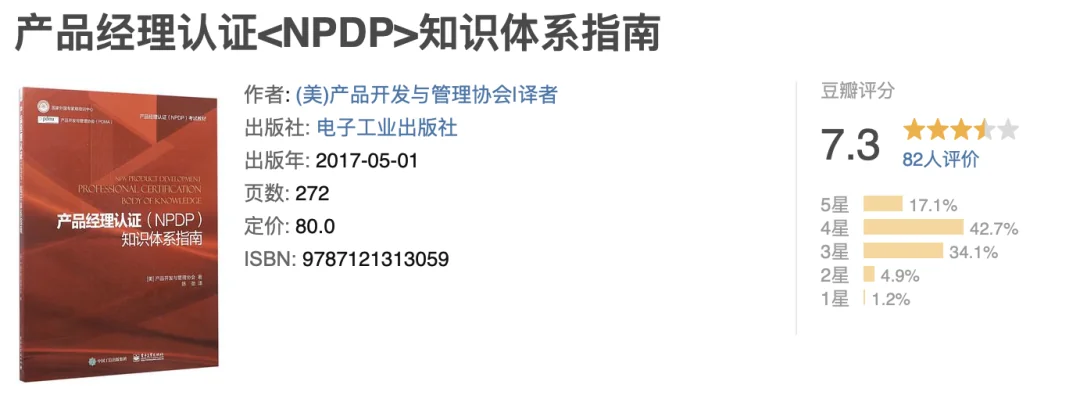
NPDP and PMP are systematic bodies of knowledge. I truly admire the ability of Europe and the US to systematize knowledge: just as the PMBOK guide is to PMP, the NPDP guide comprehensively summarizes the knowledge and skills a product manager needs. Reading a systematic professional certification book like this is more meaningful than reading many patched-together collections of experience. Highly recommended!
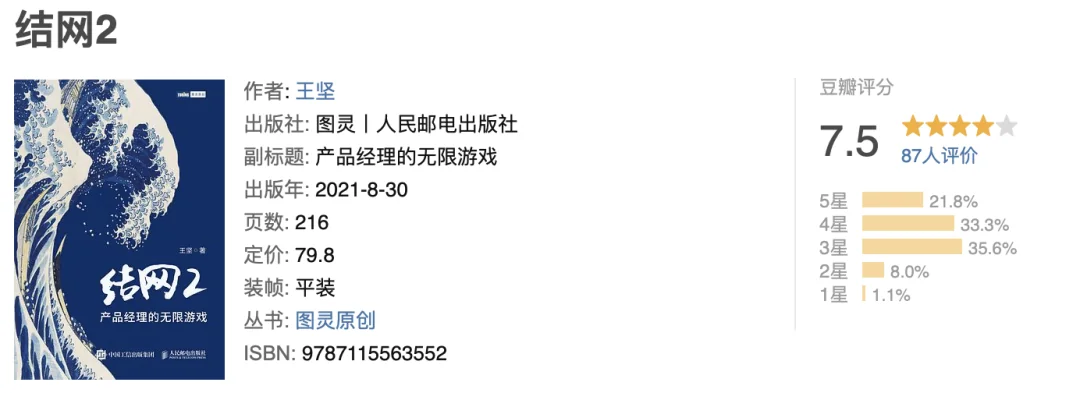
Weaving the Net 2 is another strong work by my good friend Wang Jian, ten years after the original Weaving the Net. The two books span the internet and mobile internet eras in China and are worth reading for anyone interested in the essential laws of China’s mobile internet. Thanks to Wang Jian for the gift, though you forgot to sign it for me.
Engineering and technology
In recent years, I have learned most technical knowledge through online docs and e-books, and less and less through printed books. But there are two books I must mention this year:
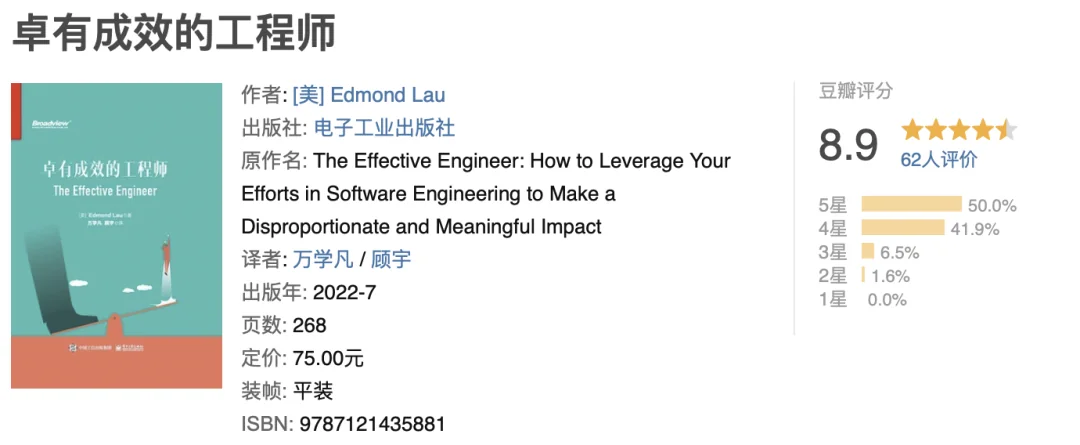
I was honored this year to be invited by Wan Xuefan, COO of Capgemini China, to write a review of The Effective Engineer, which he translated:
“The Effective Engineer is both a book about software engineers improving their own effectiveness and a book about technical management. Effective output depends on sound management methods and, even more, on engineers with highly effective habits. The book explains, from different angles, a theory and practice of focusing on high leverage, continuously executing and iterating, and building long-term value and culture. Thanks to Xuefan for bringing us, in fluent prose, the best practices the author accumulated over years at several star companies in Silicon Valley. I hope more and more readers, after reading this book, will become truly ‘effective software engineers’ through dedicated practice.” — Yang Pan
For more, see Wan Xuefan’s WeChat article Preface to The Effective Engineer (in Chinese). Thanks to Wan Xuefan for the gift.
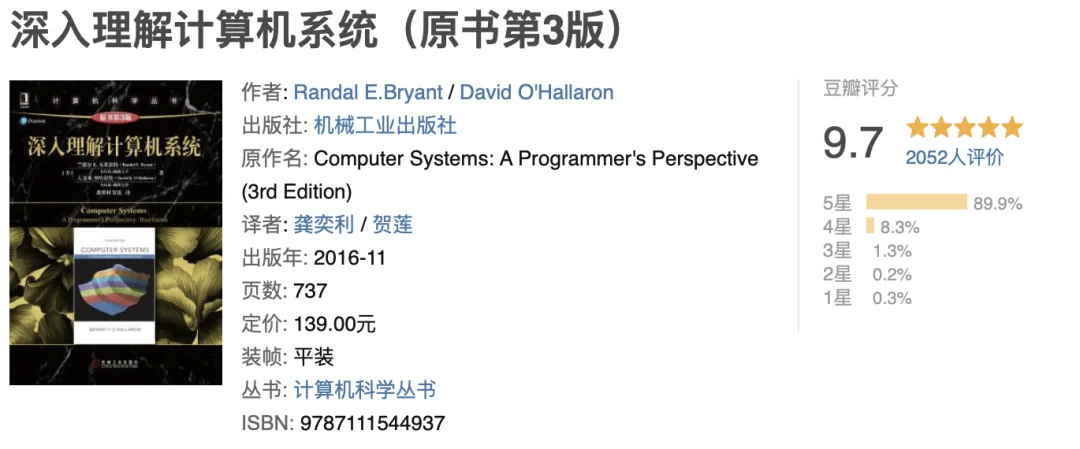
This year, while chatting idly in a group with several industry experts, I decided to buy a print copy of CSAPP, Computer Systems: A Programmer’s Perspective, for my collection. An “introductory” computer book.
Growth and community
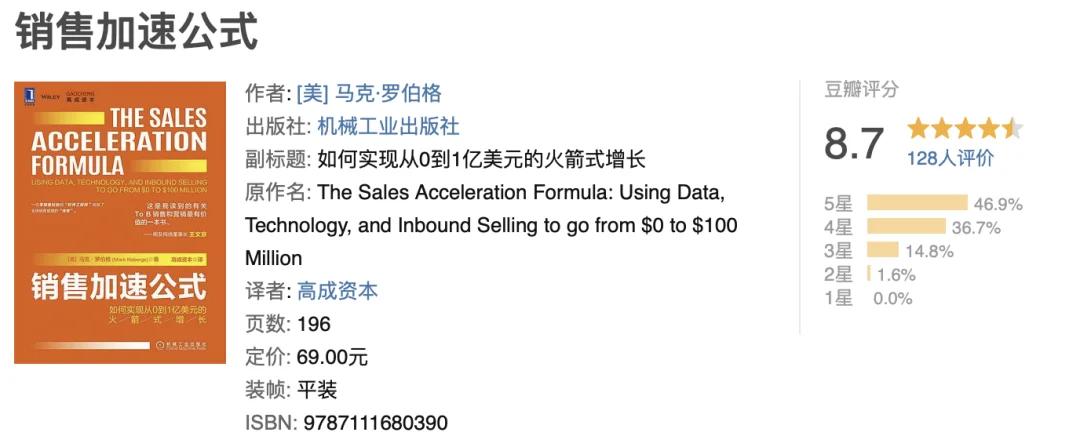
This book was written by HubSpot’s senior vice president of global sales and services. Starting at the company’s founding stage, with an engineering background and no sales experience, he was responsible for the company’s sales growth. With engineering thinking that upended tradition, he created a “sales acceleration formula” and led the sales team to one sales miracle after another. Thanks to Gaocheng Capital for bringing this book to China in translation. I have recently noticed that translating popular foreign books has become a “growth secret” for some teams; teams with the will and the means might give it a try.
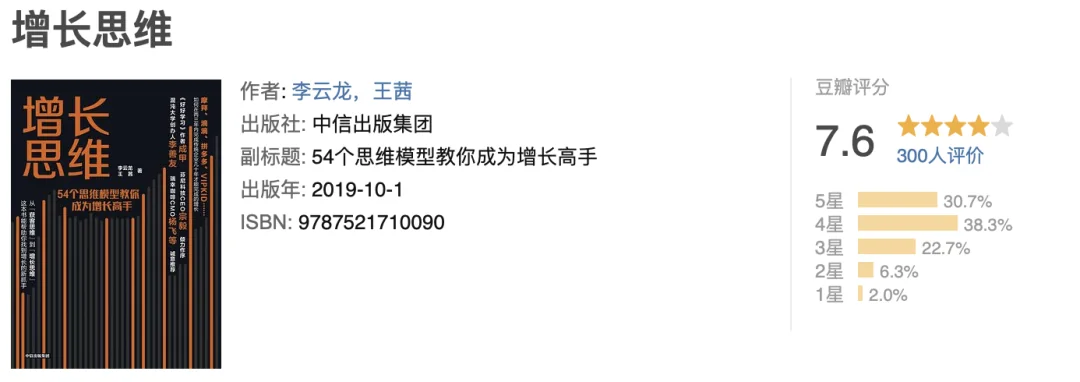
Li Yunlong is a well-known growth thinking mentor in China, and his books and online and offline courses include a great many growth thinking models. I was fortunate to attend his classes several times at TGO events and benefited greatly. Thanks to him for the signed copy.
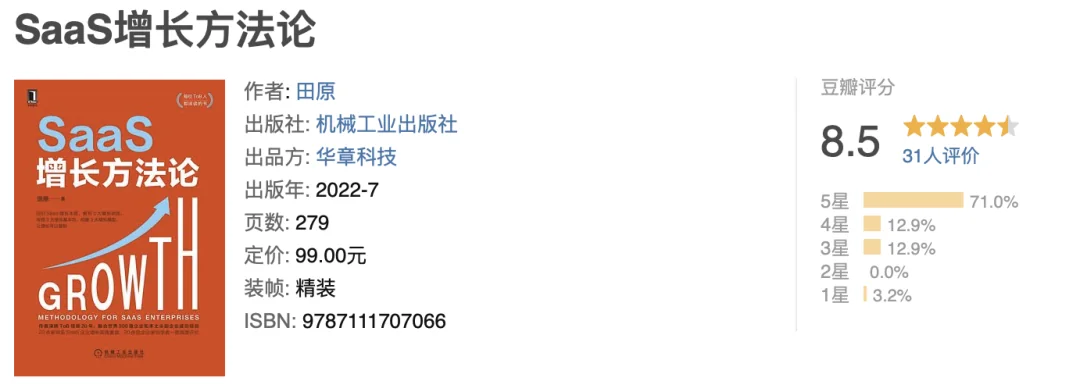
Tian Yuan’s book contains extensive explanations of the basic concepts of SaaS growth methodology, as well as many case studies of applying growth methods in China and localized thinking. A true classic.
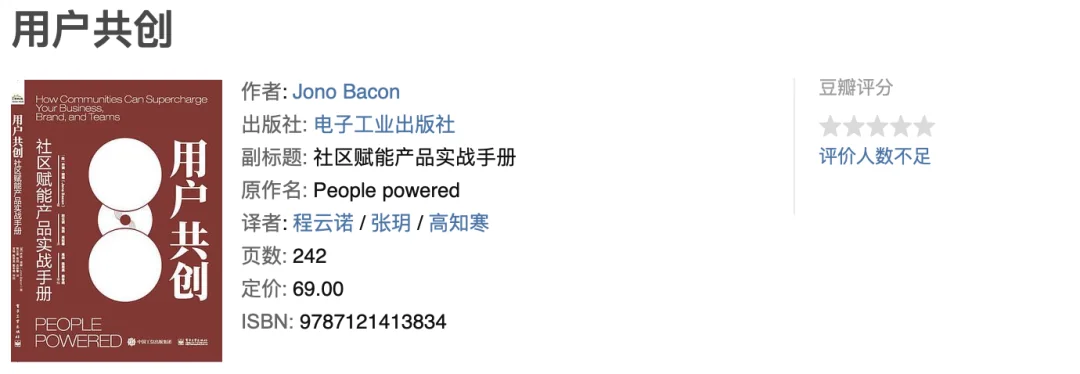
The author led community at Ubuntu and GitHub. For those running user communities and open-source communities, this is a must-read.
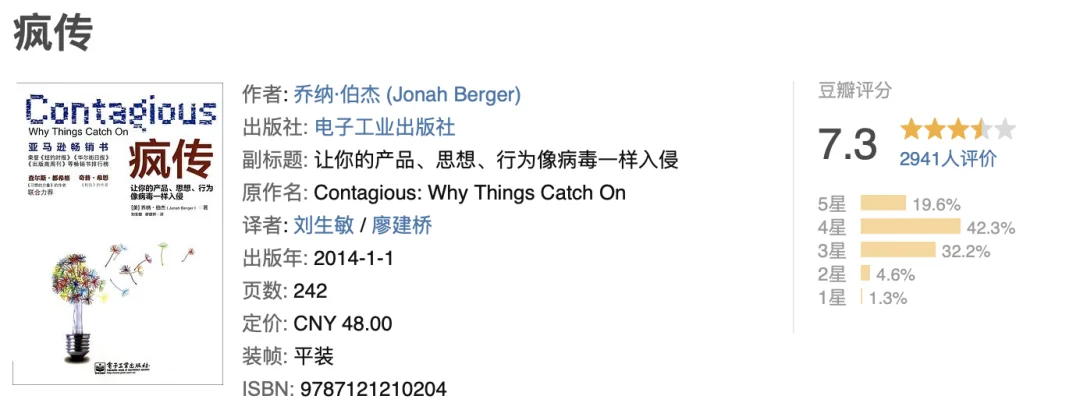
Contagious is an older book, but a classic of marketing, worth reading for anyone interested in marketing and growth. The main problem is the translation, which is poor and somewhat hard to read.
Speaking and writing
Friends who know me know that speaking and expression are my strong suits, but I still read related books with a learning attitude when I come across them. In writing, I think I made great progress this year. Mr. Tao gave important guidance on how I write at work, and many of his own articles set the best example for me. For industry commentary, Samuel Jiang Shuomiao, the boss of Guance Cloud, and Ma Gong in Sweden, author of the WeChat Official Account “Cloud Computing Shotgun”, have also helped me a great deal.
There is a set of books on my shelf that I can recommend:

This book covers basic knowledge and techniques for making presentation slides, and it can help speakers who often express themselves through slides improve their slide design skills.

I am embarrassed to say I have forgotten who gave me this set. If you see this article, please leave a comment to remind me.
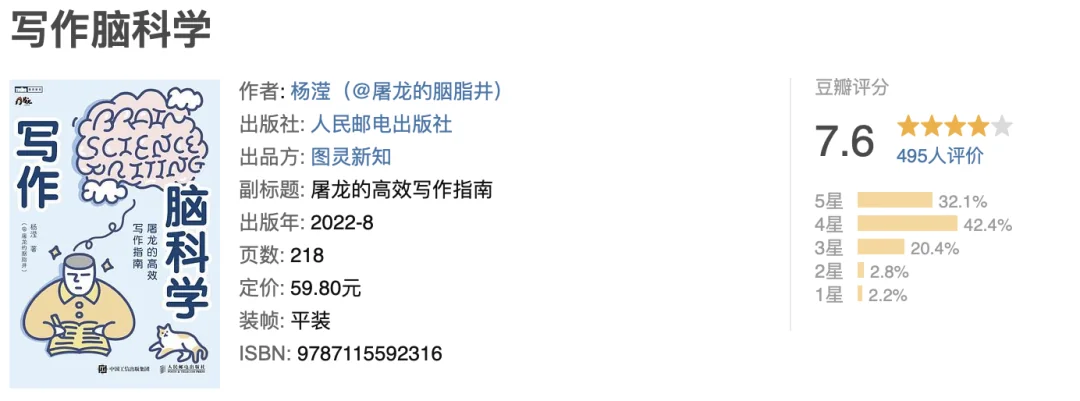
Thanks to Xie Gong, founding partner of Turing Book, for letting me pick this book from their huge catalog. It helped me understand some of the basic scientific principles of writing, and it helped a lot with the few articles I wrote this year that were widely read.
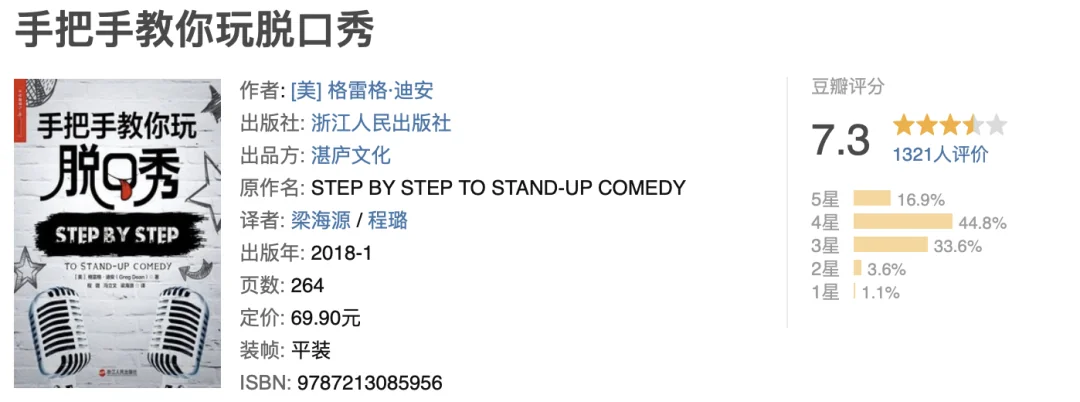
Translated by Haiyuan and Cheng Lu, but quite hard to read. Its “principles of jokes” left a deep impression on me. In short: create surprise by offering an interpretation that differs from what is expected.
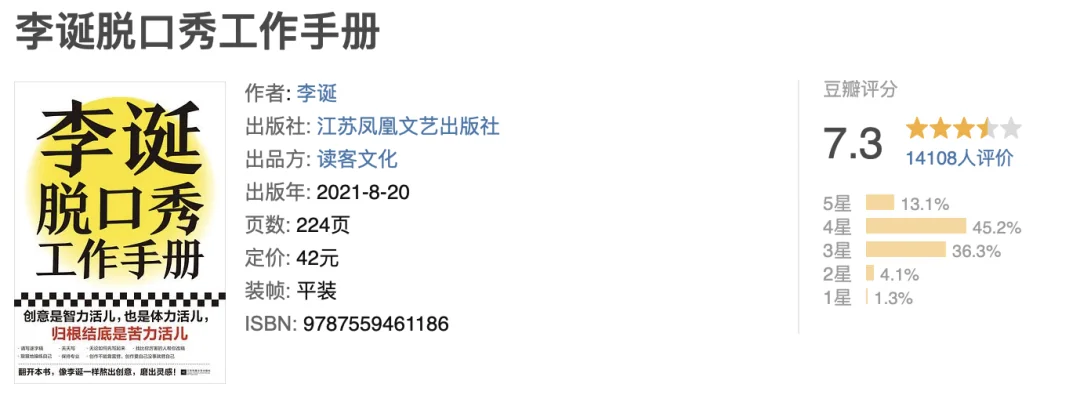
In recent years, more and more events have tried to include a “stand-up comedy” segment. Although I am a very capable speaker, I don’t consider myself a humorous person who is good at crafting punchlines. I hope these two books give me an introduction to the craft of stand-up comedy.
Personal growth

Tuo Buhua’s book needs no promotion from me. This year we were honored to have her at GTLC, the annual conference of the TGO Kunpeng Club Beijing chapter. Unfortunately, in my excitement, I forgot to ask her for a signature.

Gu Ji is a co-founder of Laiye Technology. If I had to describe him in one phrase, it would be: an interesting soul.
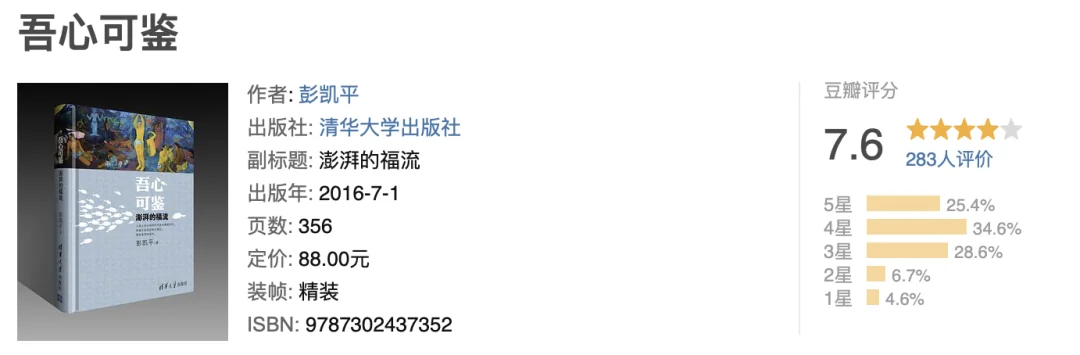
A few years ago, when Wang Lei recommended Peng Kaiping to me, I turned it down; as someone who always thinks rationally, I did not really believe in things like “flow.” But after encountering Peng Kaiping’s “positive psychology” this year, I found that it really has a tangible positive effect on adjusting one’s whole energy. I recommend it.
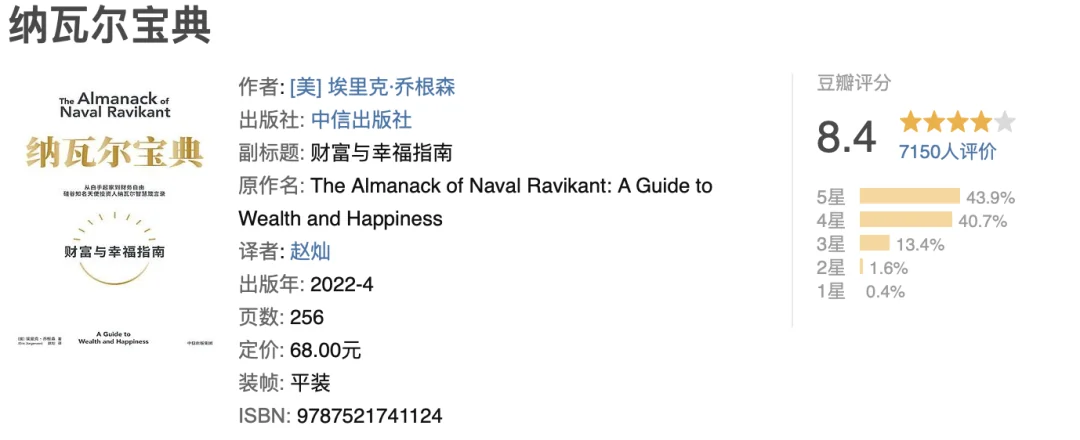
The Almanack of Naval Ravikant is Douban’s No. 1 business book of 2022, so it needs no further recommendation.
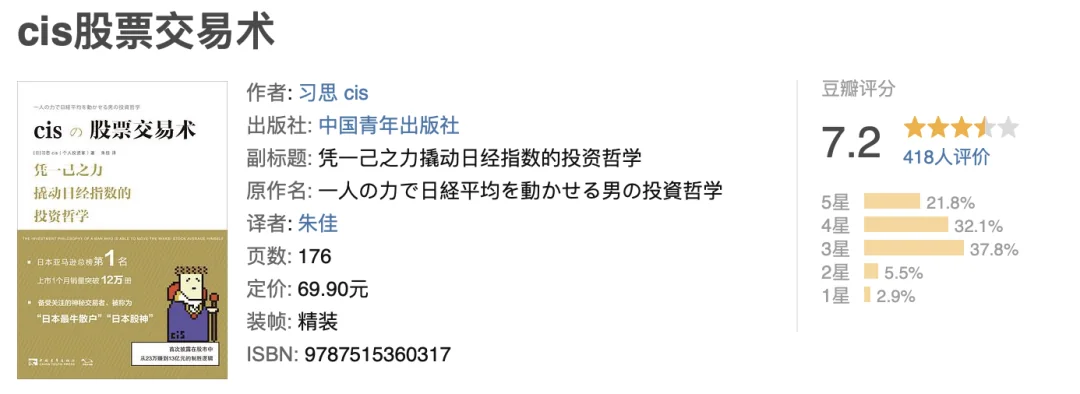
A completely niche book: read it like a biography to learn the story of “Japan’s most mysterious trader.” Note that this is not a technical manual for stock trading!
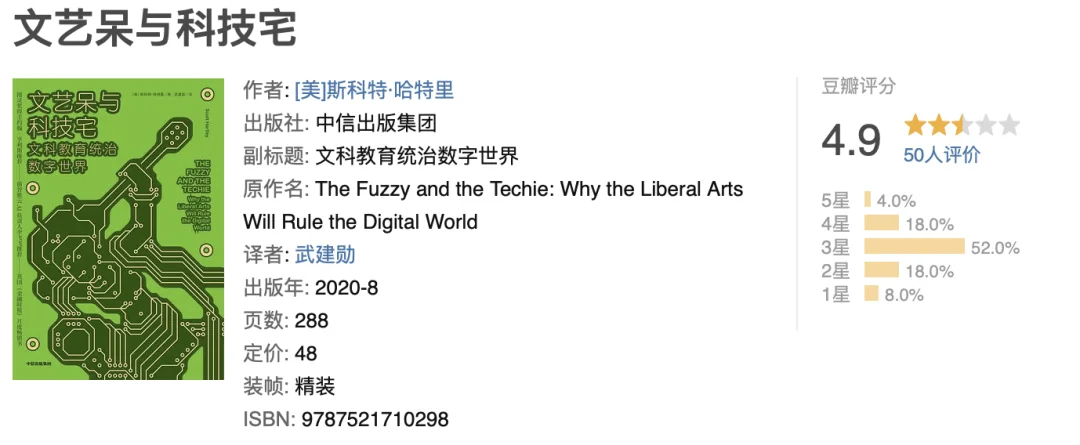
I read this book out of worry about my daughter’s future education. Between techies and fuzzies, which kind of person will have the core competitiveness in the future world? The book offers an interesting discussion.
Where the books came from
In fact, more than half of this year’s books were gifts from organizations and friends. In no particular order, thanks to the following organizations and people:
TGO Kunpeng Club: TGO is a high-end peer learning and growth community that brings together technology leaders from around the world. TGO is actually a high-end book-gifting organization, and my daily exchanges with the TGO reading group have broadened my reading.
Geekbang Technology, InfoQ, TGO Kunpeng Club: Huo Taiwen, Selina, Yolanda, Xinlong
Turing Book: founding partner Xie Gong, and Zhao Xuan
Cheers Publishing: Chen Yi, Winny
Growth Research Institute: founder Li Yunlong
Capgemini China: COO Wan Xuefan
Qiushibaike: founder Wang Jian
FreeSWITCH Chinese Community: Du Jinfang
I apologize to the organizations and friends who gave me other books whose givers I have forgotten; please leave a comment on my article.
In the new year, you are welcome to keep sending me books, and I will recommend them.